Contact us to discover how digital tools can enhance site inspections, improve compliance, and minimise project risk. Whether overseeing one build or multiple projects in New Zealand, we can help you find the right solution for your team.
Article
From compliance to confidence: Mastering construction site inspections in New Zealand
On well-managed construction projects, compliance isn’t assumed but verified. Construction site inspections give project teams a clear view of whether work is being completed safely and correctly, in accordance with approved drawings and specifications.
Rather than acting as a policing exercise, effective site inspections support crews by reinforcing expectations, identifying risks early, and maintaining consistent quality standards. When inspections are embedded into daily project workflows, they contribute to safer job sites, higher build quality, and more predictable project delivery.
This guide explains what construction site inspections in New Zealand involve, the common inspection categories used across projects, who is responsible for inspections, and how to implement an inspection process that improves project outcomes.

What are construction site inspections?
Construction site inspections are structured assessments of work activities, site conditions, and construction methods to ensure they comply with:
- The Building Act 2004
- The Health and Safety at Work Act 2015
- The New Zealand Building Code
- Relevant Standards New Zealand standards
- Project specifications and consented drawings
Inspections occur throughout the entire construction lifecycle - from site establishment through to final completion and Code Compliance Certificate (CCC) approval.
Regular inspections help ensure that construction activities remain compliant, safe, and aligned with project objectives.
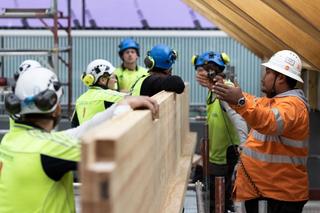
Types of construction site inspections
Construction inspections typically fall into three key categories:
- Project stage and quality inspections
- Building element and trade inspections
- Compliance and regulatory inspections
Each category addresses different aspects of construction performance, but together they provide complete oversight of project progress, safety, and quality.
- Pre-construction inspections
Completed before construction begins to verify that building consent approvals, documentation, permits, and site conditions are ready for work to commence. - Progress inspections
Conducted at key milestones to confirm that construction work aligns with approved plans, specifications, and engineering requirements. - Daily site inspections
Routine inspections that monitor site housekeeping, worker safety practices, accessways, and general site conditions. - Quality assurance inspections
Focused on verifying workmanship, material quality, and installation methods. - Practical completion and defect inspections
Final inspections carried out before project handover to ensure defects are resolved and the project meets contract requirements.
- Foundations and groundworks
Inspection of site preparation, soil conditions, footings, reinforcing steel, and concrete placement. - Structural construction
Verification of framing systems, beams, columns, and structural load-bearing elements. - Mechanical, electrical, and plumbing (MEP)
Inspection of building services to ensure systems are installed correctly and meet performance requirements. - External and internal finishes
Assessment of cladding, linings, waterproofing, and interior finishes. - Accessibility compliance
Verification that access provisions meet the requirements of the New Zealand Building Code and accessibility standards.
- Health and safety inspections
These inspections ensure that construction activities comply with the Health and Safety at Work Act 2015 and protect workers on site. - Fire safety inspections
Verification of fire protection systems, alarms, escape routes, and fire-rated construction elements. - Building consent inspections
Conducted by local councils to confirm compliance with the Building Act 2004 and the New Zealand Building Code.
Local authorities review key stages of construction before issuing a Code Compliance Certificate (CCC).
Construction site inspections overview

A typical construction site inspection workflow
A structured inspection process usually follows these steps:
- Define the inspection scope and checklist
- Confirm relevant standards and compliance requirements
- Prepare inspection tools and documentation
- Inspect site activities and construction work
- Record observations using photos and notes
- Issue reports and corrective actions
- Conduct follow-up inspections to verify close-out
A consistent workflow helps ensure inspections remain efficient, repeatable, and auditable.
Improve construction site inspections with digital workflows
Managing inspections across multiple teams, contractors, and project stages can quickly become complex. Digital construction management platforms help streamline inspection processes, improve communication, and keep all project documentation in one place.
With solutions like Autodesk Construction Cloud, project teams can standardise inspection checklists, capture issues directly on drawings, track corrective actions in real time, and maintain a complete audit trail for compliance. The result is better visibility across projects, faster issue resolution, and greater confidence that work is delivered to the required standards.